
Trust is the invisible infrastructure of every financial system. Yet in India, that infrastructure is under increasing strain.
Public discussions — including observations by Rajya Sabha MP Shri Raghav Chadha — have highlighted that nearly 48% of properties in India suffer from unclear titles. While this issue is often discussed in the context of land records, the deeper problem is structural: the absence of immutable, verifiable confirmation mechanisms.
And this trust deficit extends far beyond property.
From debtor confirmations to high-value corporate transactions, financial systems still depend heavily on emails, PDFs, physical letters, and editable spreadsheets — all of which can be delayed, altered, disputed, or manipulated.
India does not merely need digitization.
It needs verifiable digital trust.
The Structural Trust Deficit
Across financial and corporate ecosystems, businesses continue to face:
- Multiple versions of ownership or transaction records
- Manual reconciliation processes
- Forged or altered documentation
- Lengthy disputes and litigation
- Audit complications in balance confirmations
Whether it is:
- Debtor and creditor confirmations
- Inter-company reconciliations
- Bank confirmations
- Vendor settlements
- Contractual agreements
The underlying issue remains the same — documentation without mathematical certainty.

What is Blockchain-Based Immutable Confirmation?
Immutable Confirmation is a system where once a transaction, balance, or agreement is confirmed, it cannot be altered or tampered with.
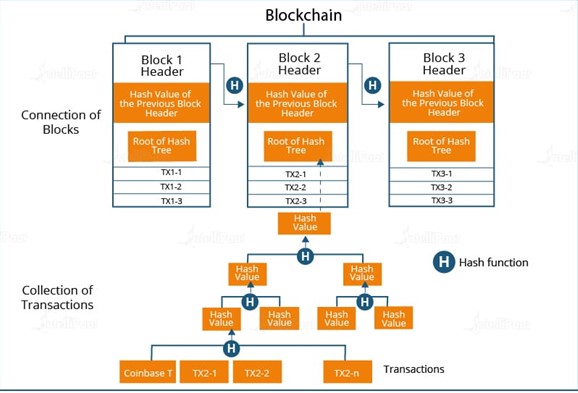
Using Blockchain (Distributed Ledger Technology):
- Each confirmation becomes a cryptographically secured record
- Records are time-stamped and hash-linked
- Any alteration changes the cryptographic signature
- A single shared source of truth is created
This shifts confirmation from document-based trust to cryptographic certainty.
Trust is no longer assumed.
It is engineered.
Why India Needs This Now
With growing transaction volumes, regulatory scrutiny, and cross-border exposure, businesses face:
- Increased audit complexity
- Greater litigation risk
- Stronger compliance requirements
- Heightened investor expectations
Institutions such as NITI Aayog and the Ministry of Electronics and Information Technology continue to promote digital transformation. But true transformation requires infrastructure that prevents manipulation — not just digitizes it.
Key Financial Use Cases
Blockchain-based Immutable Confirmation transforms:
1. Audit Confirmations
- Real-time debtor and creditor confirmations
- Tamper-proof audit trails
- Elimination of altered responses
2. Property & Asset Verification
- Secure ownership locking
- Transparent title history
- Reduced property disputes
3. High-Value Corporate Transactions
- Multi-crore balance confirmations
- Joint venture agreements
- Infrastructure and project payments
Once confirmed, records cannot be backdated, edited, or disputed without cryptographic evidence.
How WrapTax Enables the Trust Protocol
At WrapTax, we are building and implementing Blockchain-Based Confirmation Solutions designed specifically for India’s financial and compliance ecosystem.
Our flagship tool — the Blockchain-Enabled Balance Confirmation System — empowers businesses to:
✔ Secure debtor and creditor balance confirmations
✔ Create immutable audit trails
✔ Prevent alteration of confirmed records
✔ Reduce reconciliation disputes
✔ Strengthen regulatory compliance
✔ Build investor and stakeholder confidence
Instead of relying on email trails and editable documents, WrapTax enables a single, shared, tamper-proof confirmation layer between stakeholders — auditors, companies, regulators, and financial institutions.
We are not replacing governance — we are strengthening it with cryptographic assurance.
The Future of Financial Compliance in India
Whether verifying a ₹10 crore debtor balance or securing asset ownership, certainty is no longer optional.
The next phase of India’s financial evolution will not just be digital — it will be immutable.
The Trust Protocol is no longer theoretical.
With WrapTax, it is operational.