The Surprising Part
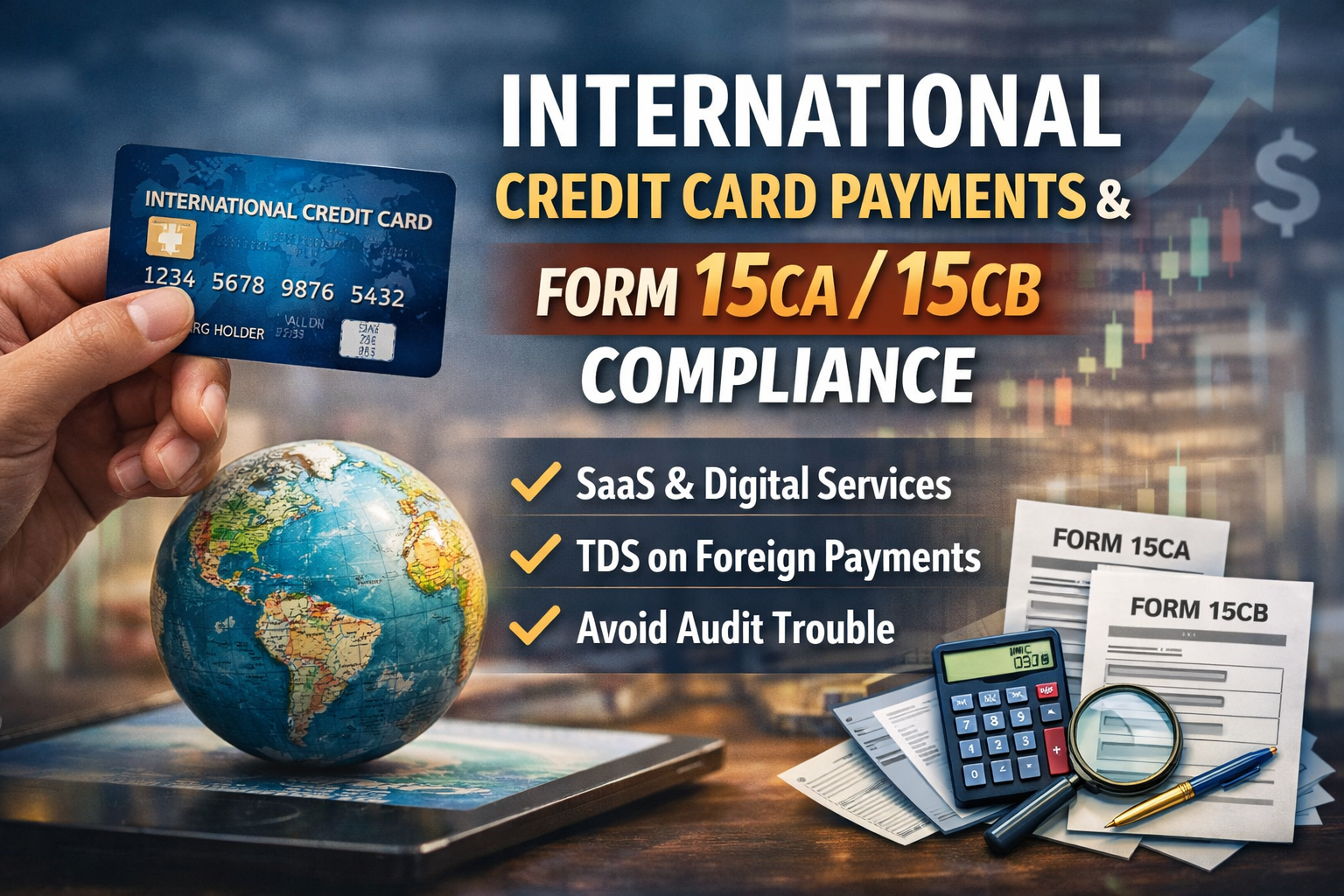
A lot of businesses assume that if they’re paying a foreign vendor through a credit card, everything is automatically taken care of.
FEMA rules, income tax compliance all handled in the background.
That assumption is exactly where the problem starts.
Here’s the truth most people don’t realise:
how you pay doesn’t decide compliance what you’re paying for does.
In practice, a huge number of businesses in India end up getting their Form 15CA/15CB compliance wrong, especially for credit card payments. And it usually comes to light only when there’s an audit, scrutiny or a blocked transaction.
So What Exactly Are Form 15CA and Form 15CB?
These forms come from the Income tax Act and apply whenever money is paid to a non resident.
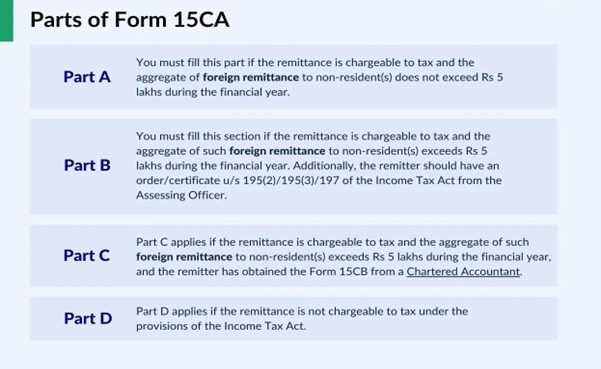
Form 15CA is a declaration made by the person or business sending the payment. It captures details like what the payment is for and how much is being remitted.
Form 15CB is a certificate issued by a Chartered Accountant. It confirms whether the payment is taxable in India, what tax rate applies and whether any treaty benefit can be claimed.
In simple terms:
If a foreign payment is taxable, 15CA and 15CB are part of the compliance regardless of whether the payment is made through a bank transfer or a credit card.
Where most businesses go wrong
From what we see in real cases, the mistakes usually aren’t intentional. They happen because the rules aren’t explained clearly.
The most common problem areas are:
- Misunderstanding the nature of the payment
- Applying the wrong tax rate or section
- Missing documentation or incorrect timing
- Errors while filing on the income-tax portal
- Relying on manual processes that leave room for mistakes
Individually, these seem small. Together they create serious compliance risks.
Credit card payments that often need a closer look
Many everyday business payments made using international credit cards still need proper tax evaluation. For example:
- Software and SaaS subscriptions
- Online advertising spends on platforms like Google or Meta
- Cloud hosting and server costs
- Payments to overseas consultants or professionals
- Digital tools, licenses and online platforms
- Freelancers or contractors based outside India
If the payment involves services or rights that are taxable in India, the compliance obligation doesn’t disappear just because a credit card was used.
Why this gets missed so often
There are a few reasons this issue flies under the radar:
- Banks usually don’t ask for 15CA/15CB upfront on credit card payments
- Startups and SMEs often aren’t advised on this early on
- Many people assume GST compliance covers income tax compliance
- Small or recurring payments are mistakenly treated as exempt
- There’s no immediate penalty until an audit or assessment happens
By the time the issue surfaces, fixing it becomes harder and more expensive.
What can happen if compliance is ignored
Getting this wrong can lead to:
- Payments being questioned or delayed later
- Higher tax liability and interest
- Expenses being disallowed under the Income-tax Act
- Unnecessary back and forth during audits
None of this is visible on day one, which is why the risk is underestimated.
A few important takeaways
- Paying by credit card doesn’t mean tax rules don’t apply
- Using a payment gateway isn’t a compliance shortcut
- Taxability needs to be checked before the payment, not after
What you can do to stay on the safe side
If your business makes international payments:
- Speak to your bank for clarity on reporting and compliance
- Get advice from a CA who understands cross border payments
- Stay updated on income tax rules, not just FEMA or GST
- Always look at the nature of the transaction before assuming exemption
Let’s review this before it becomes a problem
If your business pays for software, ads, cloud services or professional help from outside India, it’s worth reviewing whether your 15CA/15CB compliance is actually in order.
At WrapTax, we work with businesses to:
- Determine taxability of foreign payments
- Classify payments correctly under the Income-tax Act & DTAA
- Handle Form 15CA/CB end to end
- Avoid manual errors and compliance gaps
Getting this right early saves far more time and cost late.