In today’s business world, tax compliance in India is often seen as something to worry about at the end of the year. But for a business to stay healthy, trustworthy and sustainable, tax should be treated as an ongoing process, not a last minute task. At the center of this process is TDS – Tax Deducted at Source.
Whether you are a startup founder, small business owner, freelancer or working professional, understanding TDS compliance in India is not just about following rules. It is about keeping your business finances clean and disciplined.
What Exactly is TDS?
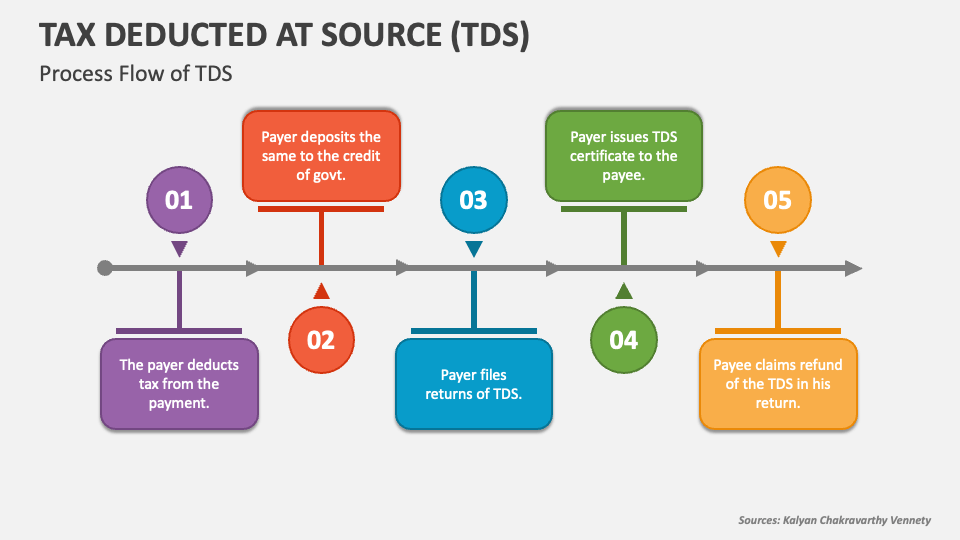
Tax Deducted at Source (TDS) is a system introduced by the Government of India under the Income Tax Act to collect tax early.
Instead of waiting until the end of the financial year, tax is deducted at the time of payment itself. The person who makes the payment (called the Deductor) deducts a fixed percentage and pays the balance to the receiver (called the Deductee).
Simple rule of TDS: “Pay the remaining amount and deposit the tax deducted.”
For example, if a company has to pay a consultant ₹50,000, it may deduct 10% TDS (₹5,000) and pay ₹45,000. The deducted ₹5,000 is deposited with the Income Tax Department and later shows in the consultant’s Form 26AS.
Why TDS Matters: The Business Perspective
For a business, TDS is more than a line item in an account book; it is a legal bridge between your private transactions and public responsibility. Here is why it matters:
1. The Shield Against Penalties
The Income Tax Department is strict about TDS defaults. If TDS is not deducted or deposited on time, it can lead to:
- Interest Outflows: Typically 1% to 1.5% per month on the delayed amount.
- Disallowance of Expenses: Under Section 40(a)(ia), 30% of certain expenses like rent or professional fees may not be allowed as a business expense if TDS rules are ignored. This increases your taxable income and tax payable.
2. Building Institutional Credibility
Your TDS return filing history shows how reliable your business is. Banks, investors and government bodies often check quarterly TDS returns (Form 24Q and Form 26Q) before giving loans, funding or contracts.
A business that regularly follows TDS rules under the Income Tax Act is seen as safe and trustworthy.
3. Cash Flow Discipline
Since TDS payment deadlines are usually the 7th of every next month, businesses are forced to keep their accounts updated every month.
This helps in better cash flow planning, avoids year end pressure and reduces mistakes.
 Key TDS Categories Every Business Should Know
From April 2025, some TDS limits and rules have been updated to make compliance easier for small businesses and startups.
Here are common TDS payments businesses deal with:
|
Nature of Payment |
Section |
Standard Rate |
Threshold Limit (FY 2025-26) |
|
Salary |
192 |
Slab Rates |
Based on Basic Exemption |
|
Professional Fees |
194J |
10% (2% for tech) |
₹50,000 / year |
|
Rent (Land/Building) |
194-I |
10% |
₹50,000 / month |
|
Contractual Payments |
194C |
1% (Individual) / 2% (Co.) |
₹30,000 (single) / ₹1L (aggregate) |
|
Partner Remuneration |
194T |
10% |
Above ₹20,000 / year |
Simple Checklist for Smooth TDS Compliance
If you are managing a small business or working as a freelancer, keep these four pillars in mind:
- TAN is compulsory: You need a Tax Deduction Account Number (TAN) to deduct and pay TDS.
- Collect PAN from vendors: If PAN is not given, TDS must be deducted at a higher rate (usually 20%).
- Timely Returns: Depositing the money is only half the job. You must file Quarterly TDS Returns so that the credit reflects in your vendor's "Form 26AS."
- Issue Certificates: Provide Form 16 (for employees) or Form 16A (for others) so they can claim their tax credit when filing their own returns.
Conclusion: Compliance as a Competitive Advantage
Today, tax data is closely tracked through systems like the Annual Information Statement (AIS). Mistakes in TDS are easy to detect.
TDS is no longer just a back office task. It is an important part of smart business management.
By following TDS compliance in India, you avoid penalties, build trust and keep your business future ready.
“Tax deducted today saves trouble tomorrow.”